NeuronAI blog: voice AI and LLM guides

What is a Transformer? How Transformer models work
Learn what a Transformer is, how self-attention helps a model understand relationships between tokens, and why this architecture became the foundation of modern LLMs.

Tokens and tokenization: how language models read text
Learn what tokens are, how tokenization turns text into units a language model can process, why token counts differ, and why tokenizer design matters for languages such as Uzbek.
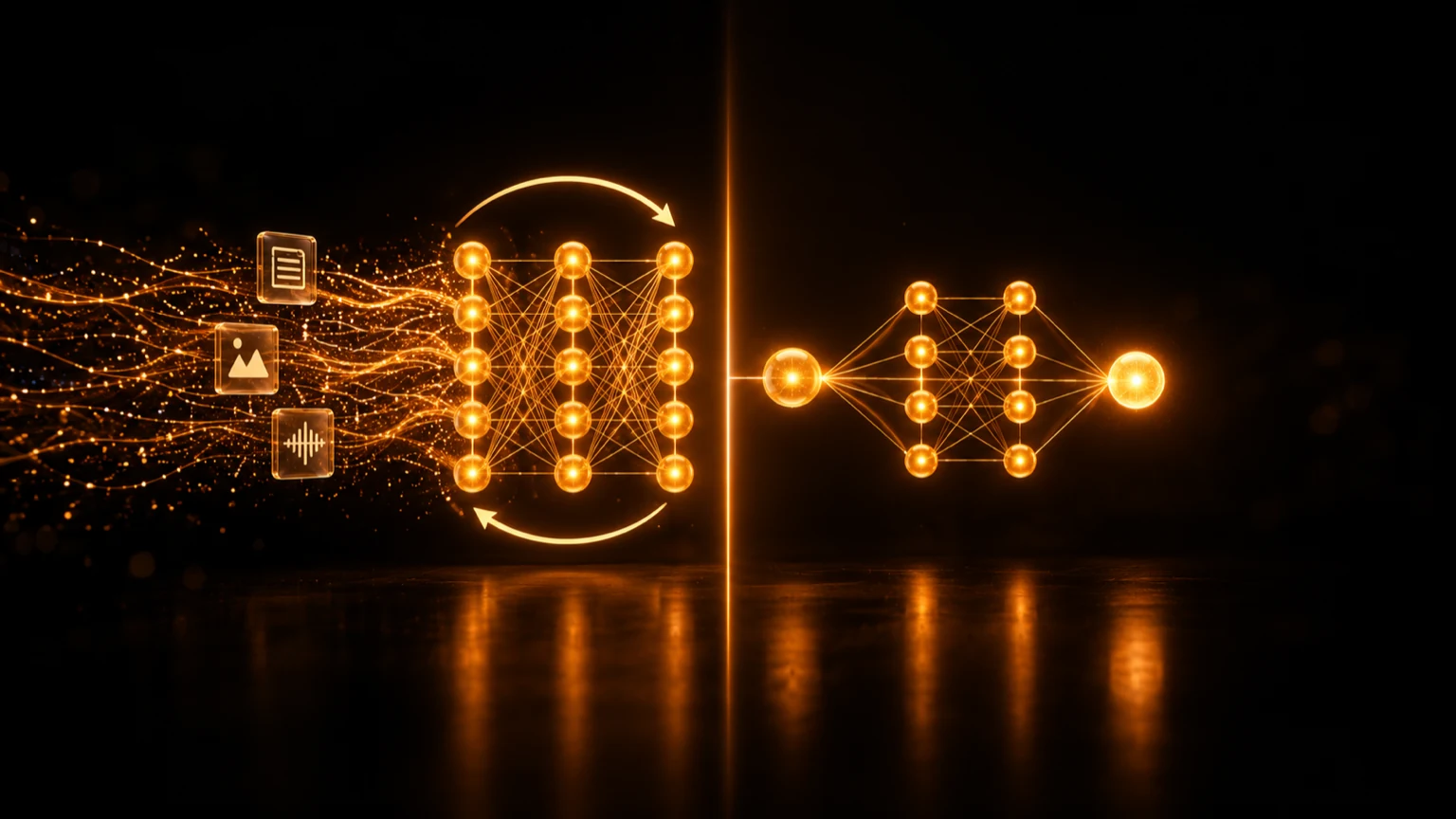
Training vs inference: what is the difference?
Learn what AI training and inference mean, how they differ, why they need different computing resources, and where each appears in real AI products.

NeuronAI now runs on credits, with up to a 20% top-up bonus
Balances on my.neuronai.uz are now in credits, and 1 credit is 1 UZS. Top up with 50,000 UZS or more and you get a bonus of 5% to 20%.
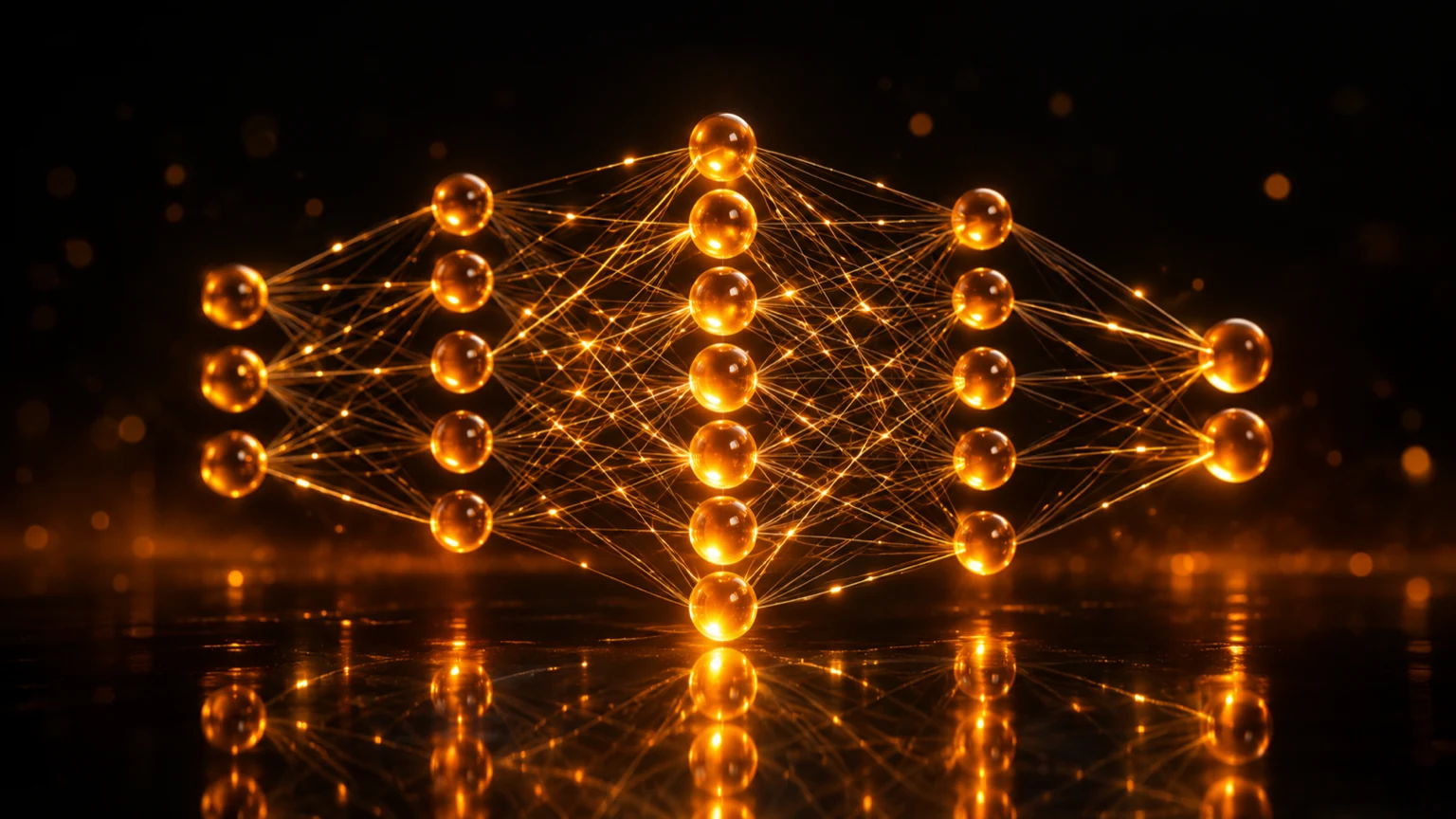
What is a neural network? How neural networks work
Learn how neurons and layers process information, how a network learns from its mistakes, and why so much modern AI is built on neural networks.
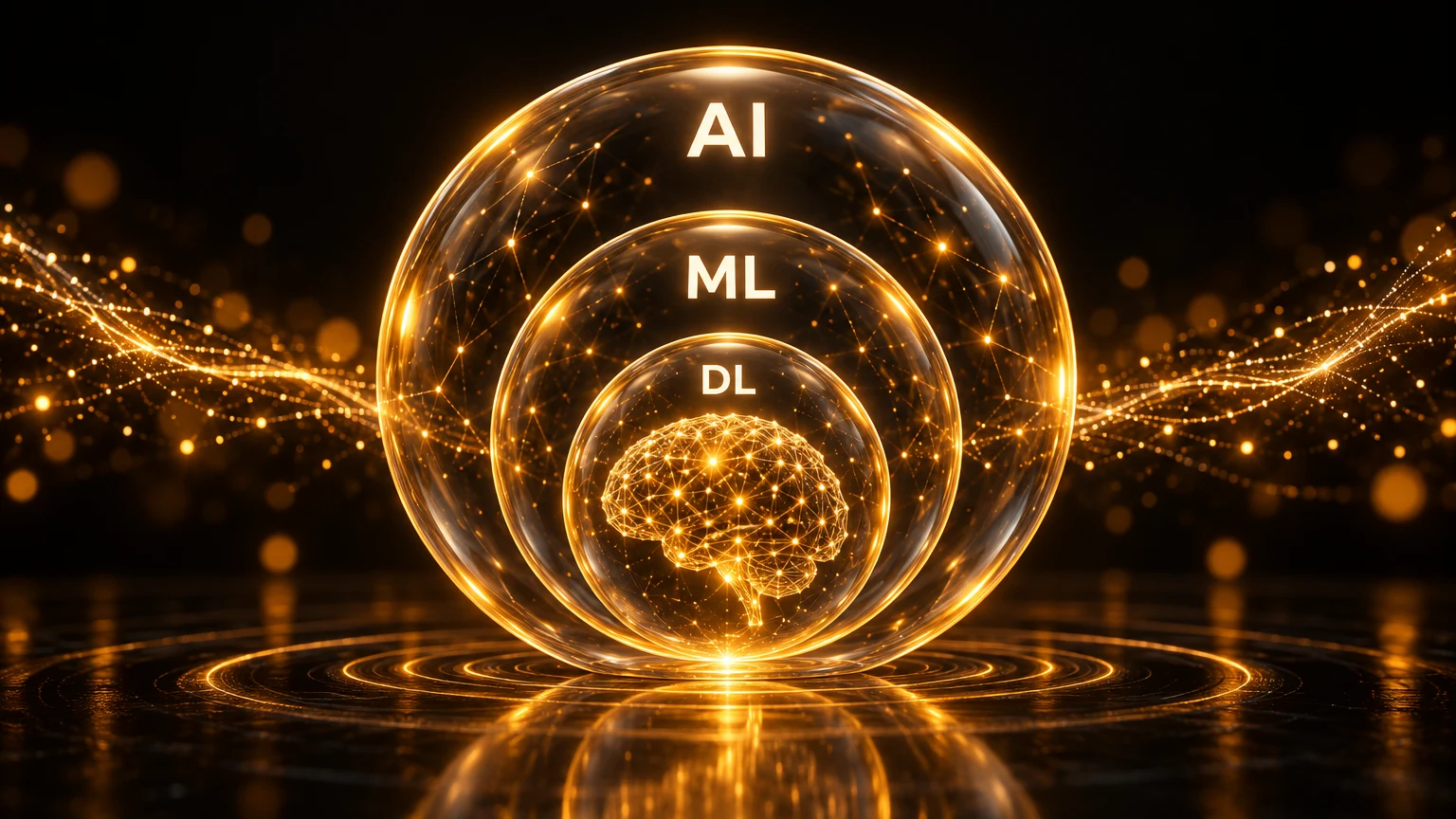
AI vs ML vs DL: what is the difference?
Understand the difference between artificial intelligence, machine learning, and deep learning with simple examples and a practical voice-AI use case.

What is TTS? How text to speech works
Learn what text to speech is, how TTS turns written text into audio, where it is useful, and what to check before using a synthetic voice.
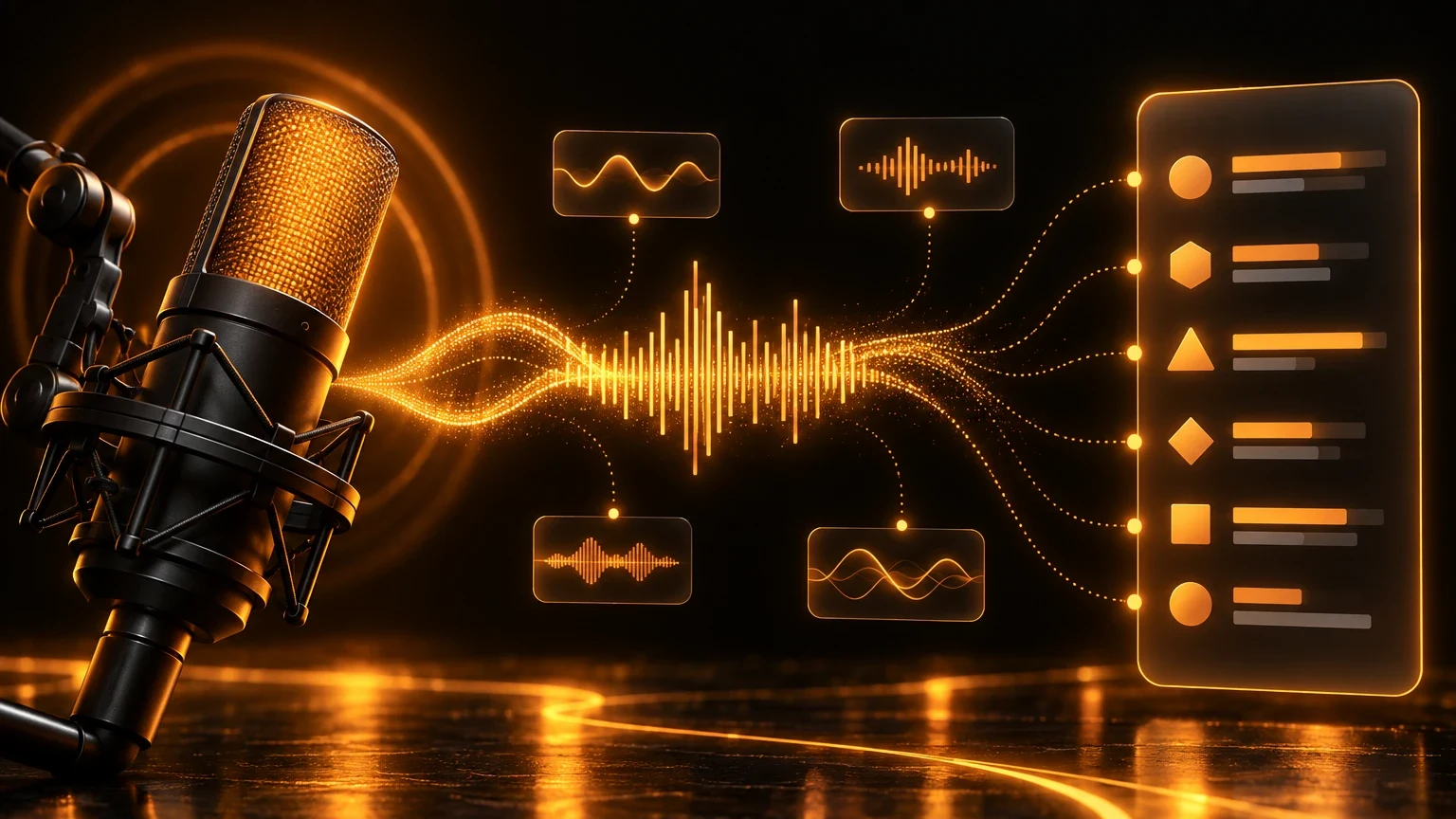
What is STT? How speech to text works
Learn what speech to text is, how STT turns audio into written text, what affects transcription quality, and where it is useful.

What is an LLM? How large language models work
Understand what an LLM is with clear examples: how a large language model generates text, what it can do, and where it can go wrong.

We built MustaqiLLM — Uzbek LLM
MustaqiLLM is a 5B Uzbek LLM built from scratch and an important milestone toward the first Uzbek LLM.